
Brake Repair
Same-Day Brake Repair: What to Expect
Same-day brake repair depends on inspection, parts, and safe testing. Learn how Hillside drivers can plan a visit without assuming a guaranteed finish.
By the team at Rios Auto Service, Hillside, IL · · 9 min read
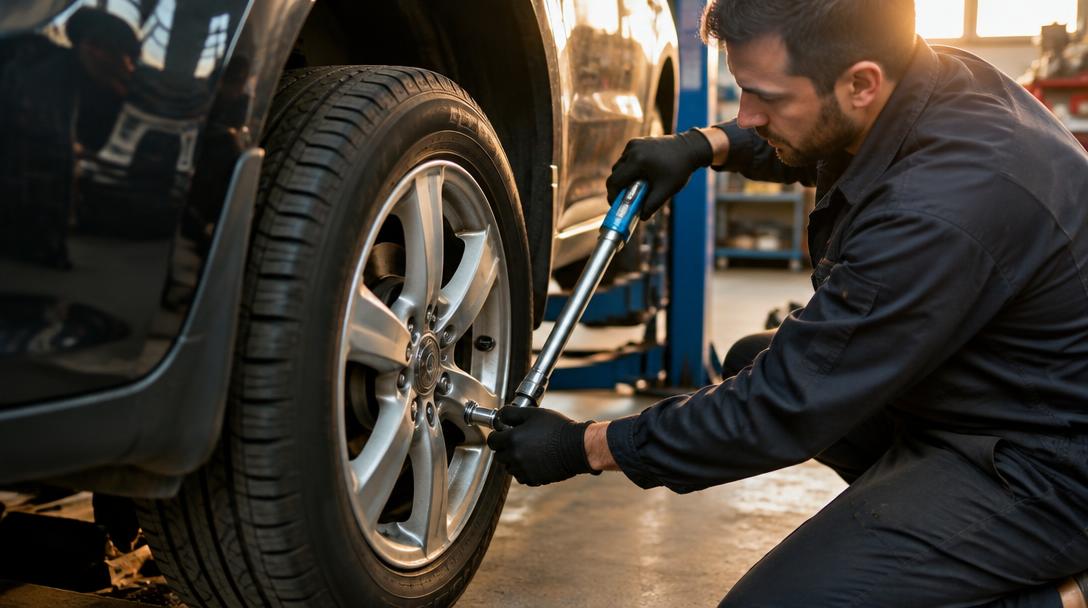
Quick answer: Same-day brake repair may be possible when inspection identifies a straightforward problem, the correct parts are available, and there is enough time for installation and testing. It is not a promise based on the noise alone; Hillside drivers should plan around an inspection first and a completion estimate second.
What “same day” actually means at the service counter
A car can arrive with one complaint and need several different kinds of work. “The brakes started making noise yesterday” tells a technician where to begin, but not which components have failed. Scheduling a repair before examining the vehicle risks ordering the wrong parts or overlooking something that affects safe stopping.
Think of the visit as a sequence: describe the concern, inspect the system, review findings, approve a defined repair, and allow time for verification. Same-day completion means that whole sequence fits into the working day. It does not mean skipping measurements or moving directly from a parking space to new pads.
Arrival time matters, but so do the cars already being worked on, parts delivery, and the condition of your vehicle. A morning visit gives more potential working time than a late-afternoon arrival. It still cannot guarantee an open lift, immediate diagnosis, or a particular finish time.
If you need to collect a child, reach a shift at Hines VA Hospital, or make another fixed commitment, explain that before authorizing work. Ask when the shop expects to provide an update. A clear decision point is more useful than spending the afternoon assuming the vehicle will be ready any minute.
Why the first inspection determines the rest of the day
Braking converts vehicle motion into heat through friction. The hydraulic system applies force, while pads, rotors, calipers, and related hardware must work together. A problem in one area can affect another. The visible friction material is only part of the picture.
A useful inspection includes the components associated with the complaint and checks for conditions that could undermine the proposed repair. Thickness, wear patterns, leaks, damaged hardware, and free movement matter. Bosch describes brake inspection and wear measurements as part of determining what needs replacement, rather than treating every noise as the same job.
Expect questions about when the symptom happens. Does it occur during the first stop, after a long drive, or only when slowing from higher speed? Was work done recently? Did a warning light appear? These details can guide an inspection without requiring you to diagnose the car yourself.
Do not assume an initial inspection includes every possible diagnostic procedure. An intermittent electronic fault may require a different investigation from visible friction wear. Ask what the first evaluation covers, what remains uncertain, and whether additional testing needs separate approval before the visit changes scope.
Why a Hillside winter can complicate an otherwise ordinary repair
Years of Chicago winters can leave fasteners and mating surfaces corroded. A component that should release easily may need careful handling. Breaking a seized fastener or damaging a reusable part by rushing can make the job longer and more expensive, not shorter.
Road salt is relevant to the condition of exposed brake hardware and underbody components, but it does not establish the diagnosis. Two similar cars parked on the same Bellwood block can need different repairs because their service histories, storage, mileage, and corrosion patterns differ.
Stop-and-go trips on Roosevelt Road and I-290 also give drivers many opportunities to notice changes in braking. Describe the actual change instead of assuming traffic caused a specific failure. “It started after twenty minutes in congestion” is more useful than “the caliper must be bad.”
In winter, reduced traction complicates any attempt to evaluate braking on public roads. NHTSA’s winter driving guidance emphasizes preparing the vehicle and adjusting driving to conditions. Do not make hard test stops on an icy neighborhood street to help reproduce a symptom before your appointment.
Parts availability is more specific than the vehicle’s model name
The same model year can have different brake packages. Engine, trim, production date, wheel size, and equipment can change the required components. Giving the shop the vehicle identification number helps identify the correct configuration before parts are requested.
Availability means more than finding something listed online. The required parts must be correct, physically available, and obtainable within the working window. A delivered part can also turn out to be wrong or damaged. That is inconvenient, but fitting an unsuitable substitute is not a responsible solution.
Sometimes inspection changes the parts list. An initially expected friction-service job may reveal a damaged component that cannot be reused safely. Ask the shop to explain the new finding and update the estimate before proceeding. A delay tied to a documented condition is different from unexplained extra work.
If you are bringing your own parts, discuss that before arrival rather than assuming the arrangement is accepted. Compatibility, missing hardware, and responsibility for incorrect components can all affect scheduling. Do not treat an online delivery estimate as confirmation that your car can be completed that afternoon.
What you can check safely before leaving home
Write down the complaint and gather recent service records. Record the mileage, any warning messages, and when the issue first appeared. A photograph of a dashboard message taken while parked can help preserve wording that disappears later. Never record a video while driving to capture a noise.
With the vehicle parked securely, look for an obvious puddle or visibly damaged tire without crawling underneath. Note what you see, but do not reach into the wheel opening or touch brake components after driving. They may be hot even when there is no smoke or obvious heat shimmer.
Do not remove wheels, open hydraulic fittings, or add fluid merely to make a warning go away before inspection. Those actions can introduce risks and hide useful evidence. Your role is to provide accurate observations, not to make the car appear normal long enough to reach the shop.
Check your own manufacturer’s owner manual for the meaning of vehicle-specific messages and emergency instructions; the linked Ford library is one example of an official resource. Dashboard symbols and parking-brake procedures vary. Instructions for another vehicle may not apply to yours.
When a same-day plan must give way to safety
If braking ability is reduced, the pedal suddenly changes substantially, fluid appears to be leaking, or there is smoke or a strong burning smell, do not continue driving to preserve a service slot. Stop in a safe location if possible and arrange appropriate professional assistance.
If you cannot tell whether the vehicle is safe to move, say so when you call. Do not interpret “walk-ins welcome” as permission to drive an unsafe car. The practical question is how the vehicle can be evaluated safely, not whether it can make one more trip down Mannheim Road.
A warning lamp needs context, but a red brake warning combined with abnormal operation deserves immediate caution. Consult the vehicle instructions. This article is about planning a repair visit, not remotely clearing a vehicle for use based on a brief description.
For an unresolved problem, you can also check the VIN using NHTSA’s recall lookup. A recall search does not replace inspection or prove that the current symptom is covered. If an applicable campaign exists, ask the manufacturer’s dealer about the campaign procedure rather than assuming an ordinary repair visit fulfills it.
Reading an estimate without feeling rushed
An estimate should make the proposed work understandable. Ask which axle or components are involved, what inspection finding supports the recommendation, and which tasks are necessary to complete the repair correctly. A single total with no explanation makes meaningful comparisons difficult.
Labor involves more than fastening new parts in place. Safe lifting, disassembly, cleaning appropriate surfaces, installing hardware correctly, and checking operation all take time. Some vehicles require specific electronic procedures. A short advertised installation time for another model is not a reliable benchmark for your car.
Separate required work from optional maintenance and unrelated observations. Ask what happens if you postpone each item and whether the vehicle would remain safe to drive. An honest answer may be that a decision cannot be made until another component is inspected.
Before approving, confirm how additional findings will be handled. Supply a reachable phone number and check for messages. A vehicle can sit safely awaiting authorization while the usable repair window shrinks. That delay is avoidable if you and the shop agree on communication early.
Completion includes checks, not just new parts
After installation, the system needs verification appropriate to the repair. That can include checking fluid integrity, pedal operation, component security, electronic functions, and controlled road testing where appropriate. The exact steps depend on the vehicle and work performed; they are not interchangeable across all brake jobs.
You may receive instructions about initial use of new friction components. Follow the applicable guidance rather than attempting an aggressive bedding routine found online. Public traffic, weather, and the manufacturer’s specified procedure all matter. New parts are not a reason to experiment on an I-294 entrance ramp.
At pickup, ask what changed, what was verified, and whether anything still needs attention. Keep the invoice with your maintenance records. If the original symptom returns, note when it happens and contact the shop instead of assuming every sound after service is either harmless or a failed repair.
Make transportation plans flexible until the completion update arrives. If a ride is available, arrange a backup pickup time rather than waiting until closing to discover a delay. Reliable communication protects your afternoon without asking anyone to shortcut safety-critical work.
Planning a brake visit with Rios Auto Service
Rios Auto Service is an independent, family-run shop owned by Juan Rios at 4218 Roosevelt Rd, Hillside, IL 60162. Walk-ins are welcome. For a time-sensitive concern, call (708) 632-4808 and describe the vehicle, symptoms, and your deadline before making assumptions about availability.
The shop’s brake repair service is the relevant starting point for this visit. Ask for an honest inspection, to be shown what was found where practical, and for an explanation separating needed repairs from optional work. Those requests keep the conversation focused on evidence rather than an upsell or a guessed package.
Hours are Monday through Friday, 8 AM–6 PM, and Saturday, 8 AM–4 PM; Sunday is closed. A free Wi-Fi waiting area is available, but waiting on site does not make a completion time certain. Discuss whether staying or arranging another ride makes more sense after the initial assessment.
Use the contact page to plan the visit or call with a safety concern. Have your VIN, current mileage, and service history nearby. The useful promise to seek is clear communication about findings and timing, not a guaranteed finish before anyone has seen the brakes.
Questions drivers ask before a same-day visit
Can I get a firm completion time over the phone?
Usually not before inspection. The shop can discuss its schedule and the likely next step, but hidden damage and parts availability remain unknown. Ask when you should expect an assessment and when a more reliable completion estimate can be given.
Does arriving early guarantee that I am first?
No. Existing appointments, unfinished work, available equipment, and staffing all influence the queue. Arriving early may leave a larger working window, but confirm the intake process rather than assuming arrival order alone controls the day.
Should I approve extra work just to avoid another visit?
Only after understanding why it is recommended. Combining related necessary tasks can be sensible, but convenience is not evidence that an unrelated service is due. Ask for findings, priorities, and an updated total before deciding.
What if the vehicle cannot be finished today?
Ask why, what remains, and whether it is safe to drive. If it is not safe or is already disassembled, arrange other transportation. Confirm the next update time so an unexpected delay does not become a second day of uncertainty.
Related question
For the next brake topic, read Brake Grinding After a Salty Winter in Hillside.