
Check Engine Light Diagnostics
Loose Gas Cap and the EVAP System
A loose gas cap can trigger an EVAP leak warning without changing how your car drives. Learn safe checks and next steps for drivers around Hillside.
By the team at Rios Auto Service, Hillside, IL · · 9 min read
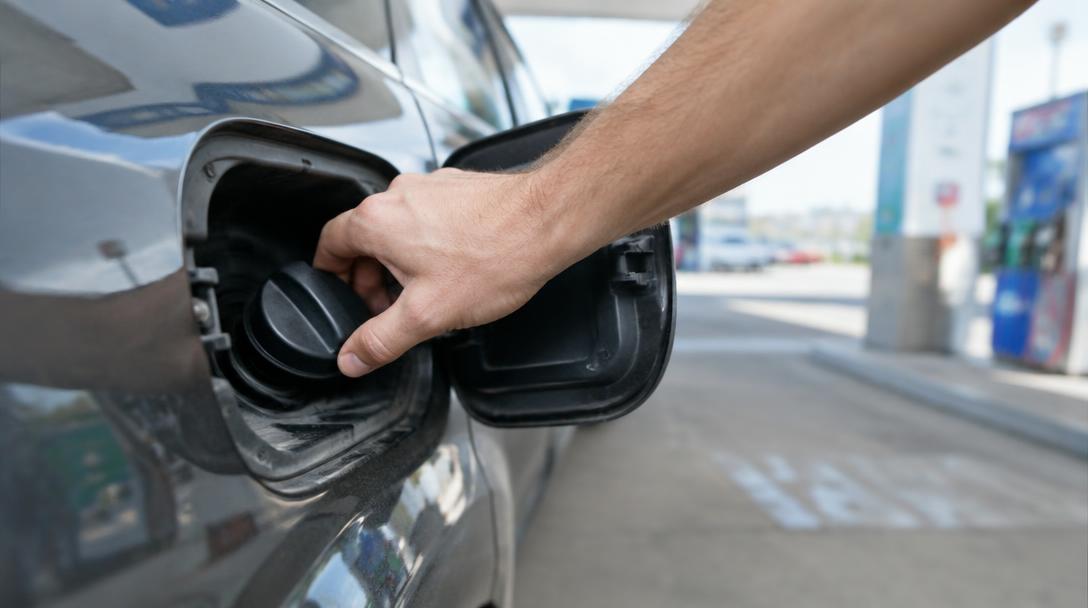
Quick answer: A loose, missing, or poorly sealing gas cap can let fuel vapor escape and trigger an evaporative-emissions, or EVAP, warning. Check the cap safely with the engine off, but do not assume every EVAP code means you need a new cap; hoses, valves, seals, and the filler assembly can cause similar warnings.
Why a gas cap can turn on an engine warning
Your fuel tank needs more than a lid that keeps rain out. Gasoline gives off vapor, and a modern vehicle manages that vapor instead of routinely releasing it into the air. On vehicles with a conventional cap, the cap's seal is part of that controlled system. Even when the engine runs smoothly, an imperfect seal can matter to the onboard computer.
The EPA's consumer guide to onboard diagnostics specifically identifies a loose or missing cap as a condition the system can detect. That does not make the warning imaginary or merely annoying. It means the vehicle has noticed an emissions-related problem that may not be obvious from the driver's seat.
Think of the cap as one possible opening in a much larger network. Tightening it may solve the problem if it was the only leak. If the warning returns, the useful question becomes whether the system can seal and control vapor as designed, not how many replacement caps you should try.
What the EVAP system does between fill-ups
A typical system routes fuel vapor from the tank toward an activated-carbon canister, where vapor can be stored. Under selected operating conditions, a purge valve allows stored vapor to enter the engine and be burned. A vent valve manages the system's connection to outside air. Exact layouts and test methods differ by vehicle.
Pressure sensors, pumps, or other monitoring arrangements let the computer evaluate whether the system behaves as expected. Some vehicles create a small pressure or vacuum change; others use different strategies. The computer may need a particular fuel level, temperature range, or period of operation before it can complete a leak check.
The EPA's technical discussion of evaporative emissions distinguishes vapor losses during parking, driving, and refueling. That helps explain why a car can have an emissions problem while parked and still accelerate normally. EVAP is not simply a sensor watching exhaust gases after combustion.
A capless filler has the same broad vapor-control responsibility without a removable screw-on cap. Its internal sealing doors and surrounding filler components require their own inspection. Buying a universal cap for a capless vehicle is not a repair strategy, and forcing tools into its opening can create damage.
What an EVAP code actually tells you
A scan report might show P0442, P0455, or P0456, among other codes. These commonly describe detected leak sizes or system behavior, but the exact description and testing procedure need to match the vehicle. A code that mentions a small leak does not locate a small crack for the technician.
Likewise, a purge-flow or vent-control code may point toward a control problem rather than a missing cap. Electrical faults, a valve that does not close, or an obstructed vent can produce different evidence. The wording on a basic scanner is a starting point, not authorization to replace whatever part appears first in an internet search.
Save the complete code, including any additional codes, before anything is cleared. Note whether it is pending or confirmed if your reader displays that information. A photograph of the scan screen is often more useful than remembering that the code had several fours in it.
One important distinction: the computer detects conditions, not your maintenance intentions. A new cap installed yesterday can be wrong for the vehicle, defective, or unable to seal against a damaged filler neck. Newness is evidence of recent work, not proof that the entire opening is sound.
Why the warning may appear days after a Hillside fill-up
Suppose you stop for fuel along Roosevelt Road and forget to fully seat the cap. The light may not appear before you get home. The computer may wait for suitable conditions to test the system, so the warning can show up during a later trip and feel unrelated to the fill-up.
Short winter drives around Hillside and Bellwood may not provide every condition required for an EVAP monitor. A delay does not prove freezing weather caused the fault. It may simply mean the vehicle has not yet completed the relevant check. Different vehicles have different enabling conditions, so there is no universal number of miles that guarantees an answer.
Salt and moisture also give an inspector reason to examine exposed filler hardware, brackets, and lines on an older local vehicle. Corrosion near the filler can interfere with sealing or damage a component. However, a winter address alone cannot diagnose a rusted line or justify replacing an entire assembly.
Keep the timeline simple: last fuel stop, approximate fuel level, first warning, and any noticeable odor. Mention whether the cap was loose when you checked it. Those details help separate a plausible one-time mistake from a recurring fault that happens regardless of refueling.
A safe cap check in your driveway
Park outdoors on level ground, switch off the engine, and keep cigarettes, flames, and other ignition sources away. Follow the vehicle's instructions for opening the filler area. Some plug-in hybrids have a fuel-door release sequence that manages tank pressure; bypassing that sequence is not a shortcut.
If your car uses a removable cap, check whether it is present and seated. Remove it only as directed, then look at the seal and the accessible filler surface. A split rubber seal, obviously damaged cap, trapped debris, or distorted mating surface deserves attention. Avoid scraping with metal tools or spraying chemicals into the filler.
Refit the cap according to the owner's manual. Some caps click; others use a different closing arrangement. More force is not better. A cap with damaged threads can seem tight while failing to seat correctly, and excessive tightening cannot repair a torn seal.
Use the manufacturer's owner-manual instructions for your specific model rather than a generic rule about clicks. The Ford resource is one example of an official manual library; owners of other makes should use their own manufacturer's instructions. Keep the correct part specification if replacement becomes necessary.
For a capless system, limit yourself to the accessible inspection and any cleaning procedure the manufacturer expressly allows. Do not push fingers, screwdrivers, or a fuel funnel into the opening merely to investigate. The emergency funnel supplied with some vehicles has a defined purpose and is not a diagnostic probe.
What not to do while waiting for the light
Do not keep topping off the tank after the pump shuts off normally. Extra liquid fuel can reach areas intended to handle vapor, depending on the system and circumstances. Stop at the normal shutoff and follow the owner's instructions rather than trying to round the purchase to a particular dollar amount.
Do not disconnect the battery just to extinguish the light. That can erase useful information and reset readiness checks without correcting the leak. The light disappearing immediately after a reset says nothing about whether the system now holds pressure or vacuum as intended.
After reseating a genuinely loose cap, the warning may take several suitable trips to clear. There is no reliable promise of an overnight reset or a fixed distance. If the light remains on, returns, or is accompanied by new symptoms, arrange diagnosis rather than repeatedly loosening and tightening the cap.
Avoid homemade pressure tests. Shop air, improvised smoke devices, open flames, and unapproved chemicals do not belong in a fuel-vapor system. Proper leak testing uses appropriate equipment and vehicle-specific limits. A small emissions leak is not a reason to create a larger fuel or fire hazard.
How a technician separates the cap from the rest
Diagnosis starts by confirming the stored information and inspecting likely leak points. The technician considers the code description, freeze-frame information when available, and the conditions under which the fault appeared. A cap inspection is useful, but so are signs of damaged hoses, previous repairs, or corrosion elsewhere.
Depending on the vehicle, controlled testing may involve commanding valves, observing tank-pressure data, checking electrical operation, or introducing approved test smoke under specified conditions. The goal is to demonstrate where the system loses its seal or fails to control flow. Different faults call for different tests.
A valve can look normal externally and fail to seal internally. A hose connection can leak only when moved or under particular temperatures. This is why the absence of an obvious crack does not settle the question, and why replacing a cap because it is inexpensive can still waste money.
After repair, verification matters. A successful controlled leak check and a completed onboard monitor are related but distinct pieces of evidence. Ask what was found, what was corrected, and how the result will be checked. That explanation is more useful than hearing only that the warning has been erased.
When a vapor warning becomes urgent
An isolated steady warning with normal operation and no fuel odor often allows time to arrange inspection. That is not blanket permission to ignore every fuel-related symptom. A strong gasoline smell, visible liquid leakage, smoke, or a vehicle that runs poorly requires a different response.
If you suspect an active fuel leak, stop safely, switch off, keep people away from the suspected area, and arrange appropriate assistance. Do not park in an enclosed garage to investigate. Do not restart the engine to see whether the smell disappears. If there is immediate danger, move away and contact emergency services.
A flashing engine warning or severe shaking should not be dismissed as a loose cap. Those symptoms can indicate a separate, more urgent problem. Tell the person arranging service what the car is doing now, not just the first code you saw last week.
Illinois testing also makes a lingering EVAP fault worth addressing. The Illinois Air Team's description of OBD testing explains that the test checks warning-light status, stored faults, and readiness. Clearing codes immediately before testing can leave required checks incomplete; it is not a substitute for repair.
Bringing the evidence to Rios Auto Service
Rios Auto Service is an independent, family-run shop owned by Juan Rios at 4218 Roosevelt Rd, Hillside, IL 60162. Check-engine diagnostics is one of its listed services. Bring your code record, the refueling timeline, and any photographs of visible cap or filler damage when discussing check-engine diagnostics.
A useful service conversation should be evidence-led: identify the concern, explain what inspection shows, and separate a confirmed defect from a possibility. Ask to see the finding or relevant test result before approving parts. A leak code should not automatically become a shopping list of caps, valves, and canisters.
Walk-ins are welcome. Hours are Monday through Friday, 8 AM–6 PM, and Saturday, 8 AM–4 PM; Sunday is closed. Call (708) 632-4808 or use the contact page to discuss the symptoms and visit details. Mention a fuel smell before planning to drive in.
Short FAQ about caps and vapor leaks
Can a loose cap make the car run badly?
Many cap-related leaks cause no noticeable running problem. Rough operation, stalling after refueling, or hard starting may involve another EVAP fault or an unrelated condition. Describe those symptoms rather than assuming tightening the cap explains everything.
Should I replace an old cap even if it looks fine?
Age alone does not establish failure. Confirm the correct application and inspect the seal and filler surface. Testing can help distinguish a cap that fails to seal from a leak elsewhere, especially when the warning repeatedly returns.
Does a hissing sound prove something is wrong?
Not by itself. Some pressure difference can occur in a fuel system, and manufacturer instructions govern how to open it. Persistent unusual pressure, refueling difficulty, or strong odor deserves inspection rather than repeated attempts to vent the tank manually.
Can I wait until my next emissions notice?
It is better to address a persistent warning before a deadline creates pressure. Save the diagnostic information now, and arrange an assessment. Do not assume an apparently minor vapor leak is the only reason the warning remains illuminated.
Related question
For a different type of engine-computer finding, read Misfire Codes P0300–P0306.