
Tune-Ups & Maintenance
Fall Maintenance Checklist for Hillside Drivers
Prepare your car for fall in Hillside with checks for tires, visibility, fluids, and safety, plus clear guidance on what needs professional attention.
By the team at Rios Auto Service, Hillside, IL · · 9 min read
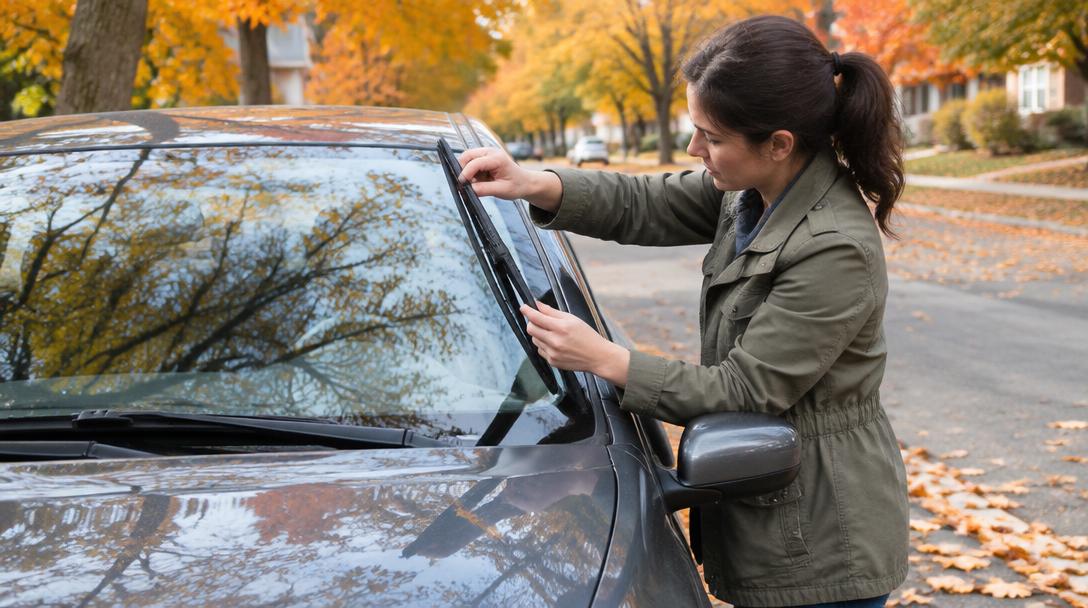
Quick answer: A useful fall maintenance checklist starts with tires, visibility, fluid condition, and overdue manufacturer-scheduled service before freezing weather arrives. Hillside drivers should handle simple visual checks at home and arrange an inspection for leaks, damaged tires, warning lights, or anything that could compromise safe winter driving.
Why fall preparation matters around Hillside
Fall is the gap between summer wear and winter demands. Rubber components have spent months exposed to heat, rain, and sunlight. Your windshield may look clear on a bright afternoon yet become difficult to see through when low evening sun meets a greasy film. A small problem that felt tolerable in August can become a real inconvenience when darkness arrives earlier and temperatures drop.
The goal is not to replace everything before the first frost. It is to establish what is working, what needs attention soon, and what can remain on the regular maintenance schedule. That distinction keeps seasonal preparation useful instead of turning it into an expensive collection of unrelated services.
Local driving makes this especially practical. A Hillside household might combine short errands along Roosevelt Road with an I-290 commute and occasional trips toward Oakbrook Center. Those trips impose different demands, but all depend on clear sightlines, dependable traction, and a vehicle that reaches the destination without a preventable interruption.
NHTSA’s winter preparation guidance recommends checking tires, lights, cooling-system condition, wipers, and other equipment before winter driving. Treat that as a framework, then use your own vehicle’s maintenance schedule to decide which services are actually due.
Start with records, not a seasonal package
Pull together the owner’s manual, your last few invoices, and the current odometer reading. Look for maintenance due by time as well as mileage. A low-mileage car still ages, while a busy commuter may reach a mileage interval before the calendar reminder appears.
Read any severe-use guidance carefully. Frequent short trips and extended idling may change maintenance requirements on some vehicles, but the definition belongs to the manufacturer. Do not assume that every western-suburb driver needs the shortest interval for every fluid. Equally, do not assume that a dashboard reminder covers every item in the maintenance book.
Make a short list of unresolved observations: a damp spot under the car, a wiper that skips, or a heater that needs unusually long to clear the glass. Include when each problem happens. “The windshield fogs during rainy evening drives” is more helpful than “needs winter service.”
Keep seasonal tasks separate from unrelated repairs. A fall check does not automatically mean new spark plugs, an intake cleaning, or a replacement filter. Those decisions should follow mileage, condition, or a diagnosed complaint. The season is a reminder to look, not proof that a part has failed.
Check all four tires before colder mornings
Tire pressure falls as the surrounding temperature falls. Check pressures when the tires are cold, using the pressure listed on the vehicle’s placard or in its manual. The number molded into the tire sidewall is not the normal inflation target for your car.
Look across the whole visible tread, not just the easy-to-reach outer edge. Uneven wear can hide on the inside shoulder. Inspect for embedded objects, cuts, bulges, and cracking. A pressure warning is not an invitation to add air repeatedly without investigating why one tire keeps losing it.
NHTSA’s TireWise resource explains pressure, tread wear, tire aging, and maintenance. Its guidance supports checking the actual condition of the tires rather than relying only on a dashboard light. A system may warn about significant underinflation without telling you that tread is uneven or rubber is damaged.
If you use a separate winter wheel-and-tire set, arrange the change before an urgent forecast forces a rushed decision. Have the stored set inspected for condition and suitability. Do not assume that a tire is ready simply because it spent the summer in a garage.
Check the spare if your vehicle has one, and confirm where the inflation kit or changing equipment is stored. Some cars have no spare. Knowing that now is better than discovering it beside a dark road in cold rain.
Give visibility its own inspection
Clean the inside and outside of the windshield. The interior film matters because it scatters headlight glare and low sunlight. Use a product appropriate for the glass and any tint, and avoid leaving a slick residue on the dashboard that reflects upward into your view.
Test the front and rear washers, if equipped. Refill with washer fluid suitable for freezing conditions according to its label and the vehicle instructions. Plain water can freeze. A summer mixture left in the reservoir may not provide the protection you expect when temperatures fall.
Replace wipers that leave unwiped bands, chatter, split, or fail to contact the glass properly. Check the arm and blade attachment rather than choosing a replacement solely by length. On some vehicles the arms require a service position before they can be lifted without damaging the hood.
With the vehicle parked, check headlights, brake lights, turn signals, reverse lights, and license-plate lighting. A helper makes this easier. Clean cloudy dirt from lamp surfaces, but do not mistake an aging lens or misaligned beam for a problem solved by a brighter bulb.
Test the defroster before you need it in traffic. Airflow, heat, and moisture removal all matter. If the glass remains fogged or develops an oily film, arrange diagnosis rather than driving with a small clear patch. Never wipe the windshield while moving and take your eyes off the road.
Inspect fluids without opening a hot system
Use the manual to locate owner-serviceable reservoirs and identify the correct checking conditions. Some readings require a cold engine; others have different procedures. A mark on a translucent tank is useful only when you understand the conditions that make that reading meaningful.
Check coolant only after the engine has cooled completely. Do not remove a hot cooling-system cap. Coolant concentration and freeze protection cannot be judged reliably by color, and different coolant specifications are not interchangeable simply because the bottles look similar.
A professional check can establish whether the mixture and condition are appropriate. If a reservoir repeatedly drops below its specified level, finding the leak matters more than repeatedly adding fluid. A seasonal top-off is not a repair for ongoing loss.
Inspect accessible hoses visually for wetness, swelling, or obvious deterioration with the engine off and cool. Keep hands away from belts and fans, which can move unexpectedly on some vehicles. Leave underbody inspections and inaccessible components to someone using proper lifting equipment.
If an oil change or other fluid service is due, address it according to the vehicle schedule. Avoid choosing a thicker oil just because winter is approaching. Use the specified viscosity and approvals; weather alone is not a reason to substitute an unsupported product.
Match fall preparation to your actual routes
A car used mainly for short Bellwood or Berkeley errands may spend relatively little time fully warmed. A commuter sitting on I-290 faces a different pattern of idling, acceleration, and braking. Describe that use when discussing maintenance rather than reporting only an annual mileage total.
Also think about when you drive. Someone leaving before sunrise needs dependable lighting and defrosting every day. A vehicle parked outdoors needs washer protection and clear access to its snow-clearing tools. A family car that sits for several days at a time deserves attention even when the odometer moves slowly.
Long stationary warmups are not a substitute for maintenance. The Department of Energy’s fuel-economy guidance explains that modern vehicles can generally be driven shortly after starting, while avoiding heavy loads until warm. Clear the windows completely first, and follow any vehicle-specific instructions.
Before the first messy forecast, confirm that floor mats are secured and cannot interfere with the pedals. Remove loose summer cargo that could roll into the driver’s area. These are small tasks, but they directly affect control and require no replacement parts.
Build a manageable Saturday check
Choose a dry, level parking space away from traffic. Allow the car to cool, set the parking brake, and gather a pressure gauge, flashlight, clean cloth, and the manual. You should not need to lift the vehicle to complete the owner-level checks in this article.
Work in a consistent order: tires first, then glass and lights, then accessible fluid levels. Record anything questionable instead of trying to solve it immediately. A photograph of a damaged wiper or a changing reservoir level can help explain the concern later.
Do not reach underneath a vehicle supported by its emergency jack. Do not remove guards or covers merely to investigate a noise. If a check requires running the engine, do it outdoors, never in an enclosed garage, even with the door open.
Finish by looking at your calendar. Separate a safety concern needing attention now from routine service due next month. This makes the checklist actionable and helps prevent a forgotten note from becoming the same surprise next fall.
Know what should not wait for winter
A tire bulge, exposed tire cords, significant pressure loss, unreliable braking, or impaired visibility deserves prompt attention. If the vehicle cannot be controlled safely, stop driving it and arrange appropriate help. A seasonal appointment is not a reason to continue using unsafe equipment.
An overheating warning, oil-pressure warning, or sudden serious change in engine operation also moves beyond routine preparation. Stop safely, follow the manual, and seek advice before continuing. Do not try to complete the checklist while an active fault is putting the engine at risk.
Check the VIN through NHTSA’s recall lookup. An open safety recall is separate from ordinary maintenance; follow the manufacturer’s remedy instructions. A car can have fresh fluids and good tires while still needing a recall repair.
For nonurgent items, ask what evidence supports replacement and what can be monitored. A useful fall plan explains priority and consequences, not just a total number of recommended services.
Planning a fall visit at Rios Auto Service
Rios Auto Service is an independent, family-run shop owned by Juan Rios at 4218 Roosevelt Rd in Hillside. Its tune-ups and maintenance service is a relevant starting point when you want to discuss overdue upkeep and seasonal concerns together.
Bring your records and ask for an inspection-based explanation of what is due, what the findings mean, and which concerns affect safety. Ask to see what was found and distinguish necessary work from optional work before authorizing repairs. That keeps the conversation centered on the car’s condition rather than an automatic seasonal shopping list.
Walk-ins are welcome. Hours are Monday through Friday, 8 AM–6 PM, and Saturday, 8 AM–4 PM; the shop is closed Sunday. Call (708) 632-4808 or use the contact page to discuss your concerns. Explain any urgent symptoms before deciding whether to drive over.
Fall maintenance FAQ
Does every car need a fall tune-up?
No. Every car benefits from checking readiness, but replacement parts should follow its schedule, condition, and symptoms. The phrase “fall tune-up” should not replace a clear explanation of the work being proposed.
Is the tire-pressure light enough to monitor my tires?
No. Check pressures with a gauge and inspect the rubber and tread. A warning system does not identify every dangerous cut, bulge, uneven wear pattern, or age-related concern.
Should I change coolant every autumn?
Not automatically. Follow the manufacturer’s interval and specification, and investigate contamination, leaks, or inadequate freeze protection. Annual replacement without evidence is different from a useful seasonal condition check.
When is the best time to do these checks?
Before consistently freezing weather, while there is time to address findings without rushing. Repeat basic pressure, visibility, and fluid observations through winter; one good inspection does not prevent later damage or wear.
Related question
When winter gives way to rougher roads, read Spring Maintenance After Pothole Season.