
Tune-Ups & Maintenance
Getting Lost MPG Back
Lost fuel economy often reflects weather, driving changes, or a repair need. Learn how Hillside drivers can measure MPG and recover avoidable losses.
By the team at Rios Auto Service, Hillside, IL · · 9 min read
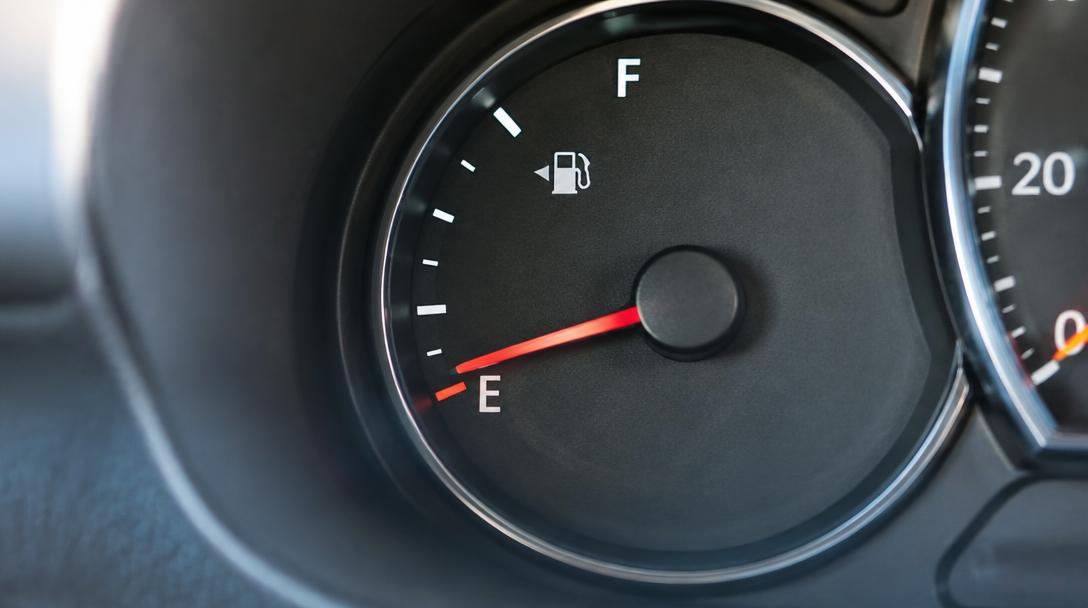
Quick answer: Getting lost MPG back starts with confirming the drop over several fill-ups, comparing similar trips and weather, and checking simple causes such as tire pressure and unnecessary idling. If the decline persists or comes with warning lights, fuel odors, or poor running, diagnose the cause instead of buying a generic fuel-saving treatment.
First, make sure the missing miles are real
A dashboard estimate is useful, but it is not a controlled measurement. Resetting the display before a traffic-heavy week can make the car seem suddenly less efficient than its months-long average. Distance-to-empty estimates can change as the computer learns a different recent driving pattern.
For a better baseline, fill the tank normally, reset the trip meter, and record the gallons at the next fill. Divide miles traveled by gallons added. Use the pump’s automatic shutoff rather than topping off the tank, and do not try to squeeze in extra fuel to make the numbers match.
Repeat over several tanks when practical. Pump shutoff differences and an unusually short interval can distort a single calculation. Record outside temperatures, trip length, traffic, and substantial idling. Comparing three similar tanks tells you more than comparing one winter shopping trip with last summer’s highway vacation.
For example, 280 miles divided by 10 gallons is 28 MPG. If the next comparable tank returns 25 MPG, that deserves watching, but it does not identify a faulty component. Numbers establish the size and persistence of the change; inspection and operating context establish what caused it.
Why Hillside winter driving can lower MPG without a failure
A cold engine and drivetrain need more energy to operate than a warmed-up system. Short trips spend a larger share of their distance in that less-efficient state. Colder air, changing tire pressure, accessory demands, and seasonal fuel differences can all contribute to a winter decline.
The Department of Energy’s cold-weather fuel economy guidance reports that a conventional gasoline car can return roughly 15 percent lower city fuel economy at 20°F than at 77°F. It also notes larger losses on short trips. Those are general test findings, not a prediction for every vehicle in Hillside.
A few miles from Berkeley to a store, followed by a cold restart and another short errand, can produce disappointing numbers even when the car is operating correctly. The same vehicle may look much better on a longer drive after everything reaches normal operating temperature.
This does not mean every winter decline should be dismissed. Compare the size of the change with previous winters and watch for accompanying symptoms. A seasonal pattern that returns to normal in milder weather is different from a persistent loss that began abruptly and keeps worsening.
Separate route changes from mechanical changes
An I-290 commute with extended crawling is not equivalent to a flowing highway trip of the same distance. Fuel is consumed while waiting, but the odometer barely advances. A driver may remember the route as unchanged even though construction, departure time, or congestion has changed its energy cost.
Remote-start time and waiting with the engine running count, too. If you spend several extra minutes warming the cabin before each short drive, the tank pays for that comfort. Clear windows and safe visibility come first, but unnecessary idling should not disappear from your accounting.
Roof cargo, a carrier left installed after a trip, heavier loads, and different tires may also matter. The government’s overview of factors affecting MPG identifies speed, cargo, idling, temperature, and vehicle condition as important influences. A maintenance decision should consider all of them, not only what is under the hood.
Keep this comparison practical. You do not need a laboratory notebook. A few notes about route, weather, and tank totals are enough to distinguish “my commute became slower” from “the car is using more fuel on the same commute.” That distinction can save diagnostic time.
Safe checks that can recover avoidable losses
Check tire pressure when the tires are cold, using a dependable gauge and the vehicle placard’s specification. The maximum molded into a tire sidewall is not the target. Front and rear specifications can differ, and an apparently firm tire can still be below the recommended pressure.
If one tire repeatedly loses pressure, arrange inspection rather than topping it up indefinitely. A pressure warning deserves attention, but waiting for the lamp is not a maintenance strategy. The warning system may not alert you to every pressure difference that affects efficiency or wear.
Remove unnecessary cargo when parked and detach unused external carriers only according to their instructions. Do not remove required safety equipment or emergency supplies merely to chase a small MPG gain. Concentrate on obvious avoidable loads rather than trying to turn a family vehicle into an empty shell.
Review whether the oil and fuel meet the manufacturer’s specifications. Higher-octane gasoline is not automatically an efficiency upgrade for an engine that does not require it. Similarly, changing oil viscosity based on an online fuel-saving claim can conflict with the vehicle’s lubrication requirements.
Maintenance that helps, and claims that oversell it
An engine-management problem can waste fuel even when the vehicle still drives. Incorrect temperature information, mixture-control faults, or an engine that does not reach its intended operating condition may change fuel use. These possibilities require testing; MPG alone cannot identify a sensor or justify replacing one.
The Department of Energy’s vehicle-maintenance guidance recommends addressing engine issues, maintaining proper tire pressure, and using the recommended oil grade. It also makes an important distinction: replacing a clogged engine air filter on a modern fuel-injected vehicle can improve performance without necessarily improving fuel economy.
That distinction matters when someone offers a universal “MPG restoration” package. A maintenance item may be due and worthwhile without being the cause of your fuel loss. Ask which finding ties the recommendation to the complaint, and keep ordinary scheduled care separate from diagnosis.
Avoid treating additives as a substitute for evidence. A bottle cannot establish whether the issue is traffic, tire pressure, a mechanical load, or fuel-control operation. If a specific cleaning procedure is proposed, ask what vehicle condition supports it and how the result will be evaluated afterward.
What a useful MPG diagnosis looks for
A good starting point is the change itself: when it began, how large it is, whether it affects every trip, and whether the engine behaves differently. Bring the fuel log along with the vehicle’s mileage and recent service records. Mention tire changes, added accessories, or a new commute.
The next steps should match the evidence. Stored diagnostic information, operating temperature, fuel-control data, and an inspection for abnormal drag may all be relevant. Reading one fault code is not the same as proving a part has failed, and no code does not eliminate every mechanical possibility.
A dragging component can consume energy without being an engine fault. If the car coasts differently, pulls, or develops an unusual hot smell, report that promptly. Do not touch wheels or brake parts to compare temperatures, and do not conduct coasting experiments in traffic.
Ask how the proposed repair will be checked. Some improvements can be verified through operating data; real-world fuel use still needs comparable driving afterward. A repaired fault does not erase winter, eliminate congestion, or guarantee that your dashboard will match an advertised highway number.
Better habits on Roosevelt Road without risky hypermiling
Smooth acceleration, sensible speed, and leaving enough following distance can reduce unnecessary braking and reacceleration. Look well ahead while keeping your attention on actual traffic. The goal is predictable, safe driving, not holding up traffic or letting speed fluctuate in a way other drivers cannot anticipate.
The Department of Energy’s efficient-driving advice explains that aggressive acceleration, braking, and speeding waste fuel. Those recommendations do not justify drafting trucks, rolling through stop signs, shutting the engine off while moving, or using neutral to coast down expressway ramps.
Combine compatible errands when possible so the vehicle does not repeatedly cool completely between short trips. Do not add unnecessary miles just to warm it up. A practical loop through nearby stops can be more efficient than several separate cold departures, especially during a Chicago winter.
Use cabin heating and defrosting as needed for comfort and visibility. Never reduce visibility to save a little fuel. For hybrids, compare similar weather and battery conditions, and remember that heating demands can change when the engine runs even if your route has not changed.
When lost MPG needs prompt attention
Fuel smell, visible leakage, smoke, or a sudden severe change in running is not a mileage-tracking project. Stop using the vehicle when appropriate and arrange professional help. Do not inspect a suspected fuel leak with a flame, and do not keep driving to see whether the next tank improves.
A flashing engine warning accompanied by shaking or reduced power calls for immediate caution because continued operation can cause damage. Consult the vehicle’s instructions and avoid forcing the vehicle through a commute. A steady warning also deserves diagnosis rather than weeks of experimentation with fuel brands.
If the only symptom is a modest, gradual MPG decline, gather a reasonable baseline and schedule an evaluation. Do not wait indefinitely if the pattern continues. A documented complaint is easier to investigate while the conditions that produce it are still present.
There is no universal percentage that separates normal weather effects from a fault. A small change with a strong fuel odor can be urgent, while a larger winter decline on very short trips may have a straightforward operating explanation. Symptoms and context outrank a single threshold.
Discussing fuel economy at Rios Auto Service
Rios Auto Service provides tune-ups and maintenance as well as check-engine diagnostics. The independent, family-run shop is owned by Juan Rios and is located at 4218 Roosevelt Rd, Hillside, IL 60162. Drivers from Bellwood, Berkeley, and Westchester can bring their fuel records rather than trying to name the failed part.
Start with the tune-ups and maintenance service, but explain that your concern is measured fuel use. Ask for an honest inspection, to see relevant findings where practical, and for recommendations tied to evidence. A clear discussion should distinguish scheduled maintenance from work intended to address the MPG complaint, without unnecessary add-ons.
Walk-ins are welcome. Hours are Monday through Friday, 8 AM–6 PM, and Saturday, 8 AM–4 PM; Sunday is closed. Call (708) 632-4808 or use the contact page to discuss the concern and plan your visit.
After any repair, continue measuring under comparable conditions. A few tanks of notes are more persuasive than one unusually good trip. If the improvement does not appear, return with the updated log and describe any remaining symptoms so the next decision builds on evidence rather than a second guess.
Short answers about recovering fuel economy
Should I compare my MPG with the window sticker?
Use the rating as a reference, not a guarantee. Your trip length, weather, traffic, speed, and accessory use may differ from the test conditions. Your own previous results on comparable trips are often the more useful starting point for identifying a change.
Can a new cabin air filter restore MPG?
It is not an engine intake filter and is not a general remedy for fuel loss. Replace it for the maintenance and ventilation reasons applicable to your vehicle, not because a sales pitch promises a universal fuel-economy increase.
Will premium fuel solve the problem?
Not simply because it costs more. Use the fuel grade specified for your vehicle and distinguish “required” from “recommended” in the manual. A persistent fuel-economy complaint needs investigation rather than repeated purchases of a different octane grade.
How soon should mileage improve after a repair?
That depends on the fault and driving conditions. Some operating changes are immediate, but a tank average still includes earlier driving and changing weather. Reset measurements appropriately, track several comparable fills, and discuss the expected verification method before approving the repair.
Related question
For a separate spring comfort issue, read Cabin Air Filters and Spring Allergies.
Sources
- U.S. Department of Energy — Fuel Economy in Cold Weather (opens in new tab)
- U.S. Department of Energy — Keeping Your Vehicle in Shape (opens in new tab)
- U.S. Department of Energy — Many Factors Affect Fuel Economy (opens in new tab)
- U.S. Department of Energy — Driving More Efficiently (opens in new tab)