
Engine Repair & Replacement
Breaking In a Replacement Engine
Breaking in a replacement engine means following its supplier’s oil and driving instructions. Learn safe first-mile habits and checks for Hillside drivers.
By the team at Rios Auto Service, Hillside, IL · · 9 min read
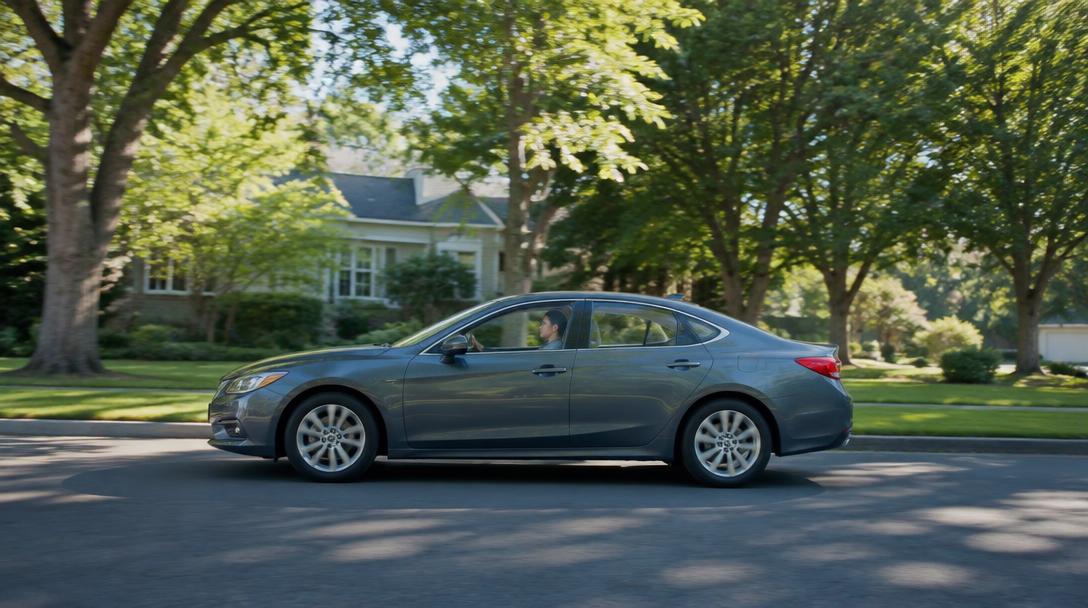
Quick answer: Break in a replacement engine according to the written instructions for that specific engine, including its oil specification, driving restrictions, and first service interval. Use controlled, varied driving rather than hard acceleration or prolonged idling, check fluids as directed, and stop promptly for an oil-pressure warning, overheating, or other serious symptoms.
Why a replacement engine needs a deliberate start
Getting your car back after an engine replacement can feel like the finish line. In practice, the first drives are a transition between installation and ordinary use. Newly machined surfaces may need controlled operation to settle into their working relationship, while the completed installation needs observation under real operating conditions.
Piston rings seal against the cylinder walls, keeping combustion pressure above the piston and helping control oil on the cylinder surface. With new rings and freshly finished cylinders, the early operating conditions matter. The objective is proper seating, not simply accumulating a magic number of miles without touching the accelerator.
Break-in is not a cure for an installation problem. A loose connection, incorrect fluid level, or cooling-system fault needs correction, not another hundred miles of driving. Treat the break-in plan as a combination of appropriate operation and early monitoring, never as permission to ignore a warning because the engine is new.
Get instructions for the engine actually installed
“Replacement engine” describes several different situations. A new assembly or remanufactured engine may have new internal wearing surfaces. A used engine may already have substantial operating time. Its internal components do not become new simply because the engine moves into another vehicle, although its installation still needs careful checking.
Before pickup, ask which engine was installed and what written instructions accompany it. Record the supplier, identifying information, installation mileage, required oil, and follow-up schedule. If the vehicle’s original manual and replacement-engine paperwork differ, ask the installer to resolve the difference with the supplier rather than choosing whichever instruction sounds easier.
Manufacturer instructions are genuinely application-specific. The Chevrolet Performance ZZ6 installation guide includes a dedicated startup and break-in procedure. That is useful evidence that a particular engine can require a particular sequence—not a reason to apply a performance-engine procedure to every commuter car in Hillside.
Initial startup, oil-system preparation, cooling-system checks, and any special stationary running procedure belong with the installer. Do not recreate an internet camshaft break-in routine in your driveway. Some designs require specialized steps; others do not. Your responsibility starts with understanding what has already been completed and what remains for you to do.
What gentle driving actually means
Gentle does not mean driving everywhere at walking speed. It means avoiding extremes while using the engine within its specified operating range. Accelerate smoothly, allow space ahead, and avoid repeated full-throttle starts. Follow the supplied limits for engine speed and load rather than inventing a universal RPM ceiling.
Avoid lugging, too. This is asking the engine to pull hard at an engine speed that is too low for the situation, such as pressing deeply on the accelerator in a high gear while climbing. With a manual transmission, select an appropriate lower gear. With an automatic, do not force a high gear to keep the tachometer artificially low.
A Ford owner-manual break-in example advises varying speed and not laboring the engine during its specified initial period. Its mileage and oil instructions apply to that application. The broader lesson is to obtain equally clear directions for your replacement, not assume every engine has the same thousand-mile rule.
When instructed to vary engine speed, use ordinary changes in traffic and suitable gears. You do not need abrupt acceleration and deceleration, and you should never weave or create a hazard. If the instructions call for a particular controlled loading procedure, ask the installer how it will be completed safely rather than improvising on public roads.
Planning the first drives around Hillside
Choose an initial route that keeps you reasonably close to help and offers safe places to stop. A manageable drive through Hillside and nearby Berkeley may be more practical than immediately committing to a long tollway trip. Bring your phone, understand the warning lights, and know where the temperature display normally sits.
Roosevelt Road offers changing speeds, but red lights do not automatically make every trip ideal break-in driving. Long stationary queues provide little variation in useful engine load. Meanwhile, a long, steady cruise on I-294 may conflict with instructions to avoid extended constant-speed operation. Plan around the engine’s requirements, not a blanket rule that streets are good and highways are bad.
An I-290 entrance ramp is not the place to discover that the vehicle cannot accelerate safely within its temporary restrictions. Leave extra room and choose a different route if necessary. If freeway travel is unavoidable, discuss that need before pickup. Safe merging takes priority over trying to hold an arbitrary low engine speed.
Delay trailer towing, heavy hauling, or other high-load use until the applicable instructions permit it. A replacement engine does not automatically reset every other vehicle limit, either. The transmission, brakes, tires, and cooling system still have their own operating limits, regardless of how recently the engine was installed.
Chicago winter trips require some planning
Cold oil and cold engine parts are reasons to avoid immediate hard acceleration. They are not a reason to leave a vehicle idling unattended for half an hour. Follow the vehicle’s starting instructions and the replacement supplier’s directions, clear the windows, and begin driving gently when it is safe to do so.
The Department of Energy’s cold-weather guidance explains that cold conditions increase friction and that engines take longer to reach efficient operating temperature. Short errands between Bellwood and Hillside can therefore consist largely of warm-up time. When practical, combine errands into a sensible route rather than repeatedly starting a cold engine for a few blocks.
That does not mean circling the neighborhood just to add miles. Select useful trips that allow normal operation within the prescribed limits. Postpone optional driving during severe weather: traction and visibility matter more than finishing the break-in period by a particular weekend. Do not use slippery pavement to experiment with acceleration loads.
Before winter driving, maintain visibility and keep the exhaust outlet clear of snow. NHTSA’s winter-driving guidance includes checking vehicle systems and avoiding carbon-monoxide hazards. Never warm up an engine in an enclosed garage, even when you want to listen for a new sound or watch the gauges closely.
Owner checks that help without disturbing the installation
Ask the installer to demonstrate the oil-level procedure. Some vehicles use a dipstick; others use an electronic display with particular temperature and timing requirements. Checking on a slope or immediately after shutdown can produce misleading results. Use the prescribed method consistently so your observations mean something.
At the requested intervals, record the mileage and oil level. If oil is needed, use the exact approved specification and add only enough to reach the proper range. An oil-pressure warning is not a substitute for a level check, and filling beyond the maximum mark is not extra protection.
With the engine cold, look at the coolant reservoir as the vehicle instructions allow. Never open a hot pressurized cap. Observe the ground beneath the parked vehicle and report fresh puddles or repeated wet spots. Clear air-conditioning condensation can be normal, but color alone is not a reliable identification method for an unknown fluid.
Keep hands, clothing, and tools away from fans, belts, and hot components. Do not tighten hose clamps, retorque fasteners, or open connections simply because the engine was recently installed. A photograph and a clear description are usually more useful owner-level contributions than disturbing a joint that the installer needs to inspect.
Oil choice and the first service are not guessing games
There is no single first-oil-change mileage that fits every replacement engine. Some suppliers require an early oil and filter change, while others specify a different schedule or operating sequence. Get both the interval and the approved oil in writing. Ask whether a follow-up inspection is due separately from that oil change.
Do not assume conventional oil is always required, synthetic oil is always forbidden, or a bottle of additive improves the process. Different engines and procedures make different demands. The correct viscosity alone may not satisfy the required manufacturer specification, and an unapproved additive can alter the intended oil formulation.
Save receipts and record dates, mileage, oil identification, and any quantities added between checks. These records help the installer assess a developing pattern. Keep any supplied maintenance or coverage paperwork with them, and ask questions about unclear requirements before missing an interval rather than afterward.
Symptoms that should interrupt the break-in plan
Stop safely and shut the engine off for an oil-pressure warning, overheating indication, or severe new mechanical noise. Do not drive the remaining few miles home to finish a trip. Once safely stopped, seek advice about the next step; continuing operation can turn a correctable problem into major damage.
A flashing check-engine light, strong fuel smell, smoke, major fluid loss, or a sudden loss of power also deserves urgent attention. Move out of traffic as safely as conditions allow. Do not keep restarting the engine to demonstrate the symptom, and do not remove a hot coolant cap to investigate overheating.
Less dramatic changes still deserve a call. Report repeated rough running, increasing oil additions, new vibration, or a recurring odor rather than labeling them normal break-in behavior. Tell the installer when the symptom happens, the mileage since replacement, the temperature reading, and whether any warning appeared. Break-in should not become an excuse for unexplained deterioration.
Discussing your return-to-driving plan at Rios Auto Service
Rios Auto Service provides engine repair and replacement at 4218 Roosevelt Rd, Hillside, IL 60162. The independent, family-run shop is owned by Juan Rios. Bring the replacement-engine documentation and explain whether your normal driving involves short winter errands, expressway commuting, or heavier loads.
Ask for an honest inspection and to see what was found if a concern develops. Keep the discussion focused on evidence: fluid levels, visible leakage, warning information, and the supplied break-in requirements. A useful repair conversation separates required follow-up from optional work instead of treating every uncertainty as a reason to buy more parts.
Walk-ins are welcome Monday–Friday, 8 AM–6 PM, and Saturday, 8 AM–4 PM; Sunday is closed. Call (708) 632-4808 or use the contact page to discuss your next step. If a serious warning makes driving unsafe, arrange appropriate assistance rather than attempting to reach the shop under engine power.
Frequently asked questions about engine break-in
Does every replacement engine need 1,000 miles of break-in?
No. The engine’s condition and supplier instructions determine the procedure. A used assembly with established internal surfaces is different from a newly rebuilt engine. Ask for the applicable distance, operating limits, and service checkpoints rather than borrowing a number from another vehicle’s manual.
Can I use cruise control during break-in?
If the instructions prohibit extended constant-speed operation, cruise control on a long open-road drive is not a good fit. Follow the specific restriction and vary operating conditions safely. Do not repeatedly change speed in a way that surprises surrounding drivers.
Should I let it idle to seat the rings?
Do not substitute hours of driveway idling for the required driving procedure. Special initial running steps, when needed, should be handled by the installer. Once the vehicle is released, follow its written plan rather than assuming more idle time is gentler or more effective.
When can I drive normally again?
Resume unrestricted use only after the specified break-in conditions and required follow-up work are complete. Reaching a mileage number does not clear an unresolved warning, leak, or abnormal noise. Ask whether load should increase gradually and whether any separate towing restriction remains.