
Walk-In Oil Change
Is the 3,000-Mile Oil Change a Myth?
The 3,000-mile oil change is not a universal rule. Hillside drivers should follow their vehicle’s schedule, time limit, and actual driving conditions.
By the team at Rios Auto Service, Hillside, IL · · 9 min read
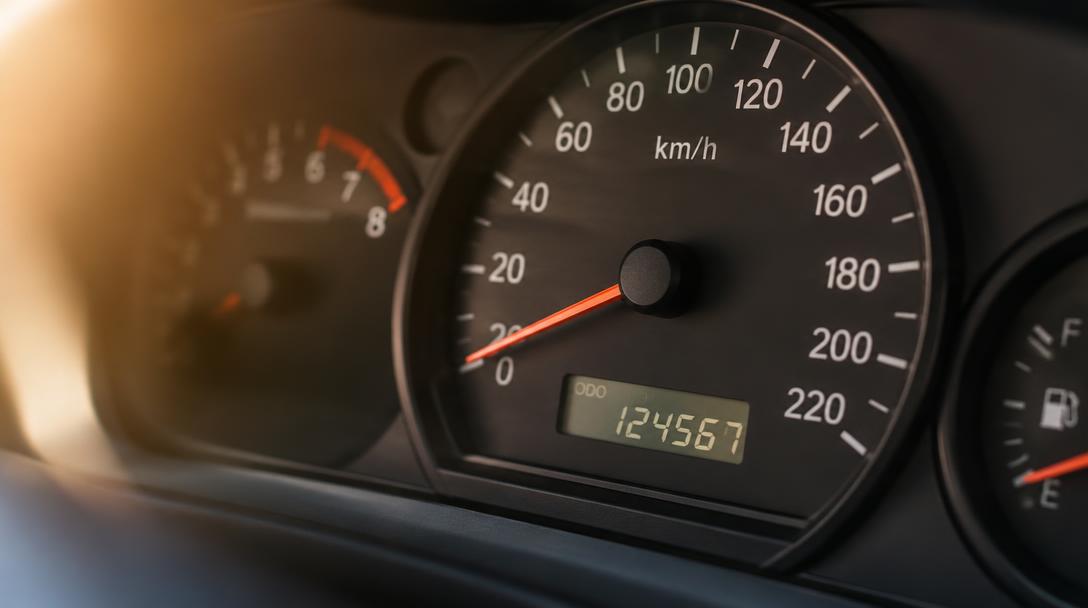
Quick answer: The idea that every car needs an oil change every 3,000 miles is outdated, but that does not make 3,000 miles wrong for every engine or driving pattern. Follow the maintenance instructions for your exact vehicle, including any shorter schedule for demanding use, calendar limit, and oil-life reminder.
Why the familiar number is not a universal deadline
A windshield sticker can make maintenance feel wonderfully simple: return at this mileage, and you are covered. The trouble starts when the same interval gets applied to a twenty-year-old commuter, a newer turbocharged engine, and a lightly driven second car. They do not necessarily have the same requirements.
Engine designs, oil formulations, and manufacturer testing have changed. Many vehicles can go farther between services than the traditional rule suggests. 1 explains why the 3,000-mile habit persists even though many modern maintenance schedules permit longer intervals. That is a reason to check your schedule, not permission to choose the longest interval you have heard advertised.
Think of 3,000 miles as a possible instruction, not a law of engine care. It may be appropriate when a manufacturer specifies it, when a particular operating schedule calls for it, or when a documented engine concern warrants closer attention. Without that context, it is simply a round number.
The opposite blanket statement is also misleading: “Modern cars all go 10,000 miles.” Some do under specified conditions; others do not. Replacing one universal rule with another misses the information that actually protects your engine.
What an oil-change interval is trying to control
Engine oil separates moving surfaces, carries heat away from loaded parts, and helps manage contaminants. Its additives support those jobs, while the filter captures particles within its designed capabilities. As the engine operates, heat, combustion byproducts, and contamination gradually change the oil’s condition.
Mileage is a convenient measure of use, but it is not a direct measurement of everything happening inside the crankcase. Two cars covering the same distance can have very different numbers of cold starts, hours of idling, operating temperatures, and engine loads. That difference helps explain why one interval cannot fit every driver.
Time matters too. A car that travels very little may reach its calendar deadline before its mileage deadline. Where the manual gives a mileage limit and a time limit, follow whichever arrives first. A low odometer reading does not automatically cancel the calendar instruction.
Oil quantity is a separate issue. An engine can consume or leak oil before a scheduled change is due. Following an extended interval therefore does not mean leaving the hood closed until the next service. Checking the level as directed remains part of ownership, whether the change interval is short or long.
Start with the schedule for your exact engine
Look up the year, model, and engine rather than relying on a friend’s similar-looking car. Different engines within the same model line can require different oil specifications or maintenance instructions. If you bought the vehicle used, the manufacturer’s online owner resources can help replace a missing manual.
Find both the maintenance section and the required oil specification. 2 directs owners to the vehicle’s scheduled maintenance instructions and notes that requirements vary. That manufacturer-first approach is more useful than picking a number from a general article, including this one.
Read the notes below the schedule. They may explain towing, repeated short trips, extensive idling, dusty operation, or other conditions requiring different treatment. Some vehicles use a fixed schedule, some use an electronic reminder, and some combine a reminder with an outside time limit. Follow the arrangement your vehicle actually uses.
For illustration, suppose a manual states a certain mileage or twelve months, whichever comes first. A driver who reaches only half that mileage in a year still owes the calendar-based service. Conversely, someone who reaches the mileage limit quickly should not wait for the anniversary. Your actual numbers must come from your manual.
What oil-life monitors can and cannot tell you
An oil-life display often estimates remaining service life from operating information rather than directly testing a sample of oil. Depending on the vehicle, calculations may account for temperature, engine operation, distance, and elapsed time. It is more tailored than a generic sticker, but it still has a defined purpose.
For example, 3 describes a system that calculates service timing using vehicle use, operating conditions, and time since service. The exact warning messages and required response belong to that manufacturer’s system; do not assume another brand uses identical thresholds.
A remaining-life percentage is not the percentage of oil left in the engine. It also does not certify that the oil level is correct or that pressure is healthy. Those are different questions. A lubrication warning requires its own response even if the service display still shows substantial life remaining.
The monitor also needs an accurate starting point. Resetting it without changing the oil makes its estimate misleading. Failing to reset it after a completed change can produce an early reminder. Keep the service receipt and compare its date and mileage with the display if the timing seems inconsistent.
How Hillside driving changes the conversation
A Hillside driver might cover only a few miles to work, make another short stop along Roosevelt Road, then park overnight in freezing weather. That can be a more demanding pattern than the same distance covered as part of a longer, fully warmed drive. Mileage alone hides the difference.
The Department of Energy explains that cold weather increases friction and delays reaching efficient operating temperature, with short trips particularly affected. 4 supports why winter trip length matters. It does not prescribe your oil-change interval; your vehicle’s maintenance instructions still make that decision.
Repeated cold operation can also give moisture and fuel contamination less opportunity to dissipate. That does not mean every Chicago winter commute automatically requires 3,000-mile changes. It means you should compare your actual routine with the manufacturer’s descriptions of demanding or special operating conditions.
Time spent crawling on I-290 is another useful detail. The engine continues operating while the odometer accumulates distance slowly. A driver who says “I hardly put any miles on it” may still spend considerable time with the engine running. Whether that changes the service requirement depends on the applicable schedule or monitor.
Do not add irrelevant local explanations. Road salt is important for corrosion, but it does not create a universal crankcase-oil deadline. Potholes do not reset an oil-life monitor. The relevant local factors here are operating temperature, trip length, load, and engine-running time.
Make a practical decision without guessing
Bring three pieces of information together: what the manual requires, how the vehicle is used, and what the service records show. If all three support an interval longer than 3,000 miles, an earlier sticker by itself is not evidence that the engine needs another oil change.
Ask what a proposed shorter interval is based on. A helpful answer identifies an applicable maintenance instruction or a specific condition, such as a known consumption concern that needs separate monitoring. “We always use that number” is not the same as a vehicle-specific explanation.
A longer interval also assumes the correct oil and filter are used. A bottle’s viscosity marking is not the whole specification, and a premium label is not permission to exceed the vehicle’s schedule. The service record should identify what was installed clearly enough to check it against the manufacturer’s requirements.
If service history is missing, avoid inventing a starting date. Establishing a documented oil-and-filter service can be sensible, then set future reminders from that known point. An oil change will not reverse existing damage or prove an engine healthy, but it can remove uncertainty about the current maintenance baseline.
Safe checks between oil changes
Check the level using your manual’s method, on the specified surface and after the required waiting period. For a dipstick-equipped vehicle, wipe and reinsert it as instructed before reading. For electronic measurement, use the required operating conditions rather than assuming a dashboard reading updates continuously.
Add only the specified oil if the level is low, in controlled amounts, and recheck instead of pouring in an entire container automatically. Overfilling is not extra protection. If the level repeatedly drops, keep a record of how much was added and the mileage, and have the reason evaluated.
Save receipts showing dates, odometer readings, oil specifications, and filter service. A simple phone note can track the next deadline and any top-ups. This is especially useful when more than one family member drives the vehicle and nobody remembers who last handled maintenance.
Do not use color alone to decide whether to stretch or shorten an interval. Oil appearance is not a complete laboratory analysis. Likewise, avoid additives marketed as a substitute for scheduled service. The goal is to follow a defensible maintenance plan, not find a visual shortcut around it.
When routine scheduling becomes an urgent concern
A service reminder usually means plan the required maintenance according to the manual. A low-pressure warning while the engine runs is different: get safely out of traffic and shut the engine off. Do not drive farther because you are only a few blocks from an oil-change location.
New knocking, visible major oil loss, or an abnormal level that cannot be corrected safely calls for evaluation rather than another interval calculation. Shortening the next service interval does not fix a leak, restore oil pressure, or repair worn components. The symptom needs its own explanation.
For an ordinary overdue change without warning symptoms, arrange service promptly and explain how far beyond the applicable deadline the vehicle has gone. There is no reliable universal grace period. Guessing how many extra miles are “safe” adds uncertainty when the maintenance requirement is already known.
Discussing an oil-change plan at Rios Auto Service
Rios Auto Service offers walk-in oil change service at 4218 Roosevelt Rd, Hillside, IL 60162. The independent, family-run shop is owned by Juan Rios. Bring the maintenance schedule and your last receipt so the discussion starts with your vehicle rather than a generic mileage rule.
Ask for an honest inspection and to see what was found if additional work is recommended. Keep the conversation specific: what service is due, which oil specification applies, and whether a separate concern needs diagnosis. A longer parts list is not evidence of better maintenance, and unnecessary extras should not replace a clear explanation.
Walk-ins are welcome Monday through Friday, 8 AM–6 PM, and Saturday, 8 AM–4 PM; Sunday is closed. Call (708) 632-4808 or use the contact page to discuss your maintenance question. Bring your typical trip length and seasonal driving pattern along with the odometer reading.
Frequently asked questions about the 3,000-mile rule
Is changing the oil early harmful?
An accurately performed early change is usually not the concern; unnecessary expense and waste are. More frequent service also does not compensate for the wrong oil, missed level checks, or an unresolved mechanical problem. Choose an interval for a reason, not simply because a smaller number feels safer.
Can I ignore the calendar limit if I barely drive?
No. Follow the applicable time requirement even when mileage stays low. A lightly used car may spend much of its operating life on brief trips, and the manufacturer’s calendar limit remains part of its schedule. Record both the date and mileage when service is completed.
Does expensive oil let me double the interval?
Not automatically. Product marketing does not override the engine manufacturer’s maintenance instructions or required approvals. Use an oil meeting the complete specification and follow the appropriate schedule. If a different interval is proposed, ask for the vehicle-specific basis rather than relying on the container’s largest printed claim.
Should I trust the sticker or the owner’s manual?
The vehicle’s applicable instructions take priority over a generic sticker. A useful reminder should reflect those instructions and the actual service date. If they disagree, ask why before assuming either that the car needs immediate service or that the reminder can be dismissed indefinitely.
Related question
If a dashboard warning appears between services, read Why Your Oil Light Comes On After Short Trips to distinguish a maintenance reminder from a lubrication warning.